
Our food supply seems solid – lots of supermarkets full of food all the time (nearly). It would be easy to imagine that we’ve never had it so good, and there’s nothing we need to do other than make trips to the supermarket, buy food there and eat it.
But many of us are already sensing things are not right. Food is getting more and more expensive – particularly healthy foods. Food price inflation in 2025 was 4.2%, and this year is expected to climb to 10% because of the attack on Iran. (That would double the price in 8 years.) In January 2025, one in seven UK households struggled to afford food, according to the Food Foundation’s food insecurity tracker.
On top of this, there are major threats that could upset our food supply very suddenly, and they are all already happening – wars, computer hacks and extreme climate events in places our food is grown. We import 84% of our fruit and 50% of our vegetables. All of it is grown in climate vulnerable zones.
Our supermarket system is extremely centralised. 131 food distribution centres feed nine supermarkets that provide 94.5% of the food we eat. In an age of drone warfare and cyber warfare, this is an Achilles heel. It is also built for efficiency – the only food stored in UK is on lorries. In a major food shock, there is no slack in this system. The shelves will just empty like they did during Covid.
This raises a new question for city and county councils: how are we going to make sure our people have enough food? Answering this question requires new alliances – between farmers and community food projects / food partnerships, and between urban and rural authorities.
(Photo by Dmitry Spravko on Unsplash.)
These actions based on the huge analysis undertaken by Professor Tim Lang, which is summarised on this website.

Bring all the key players together, particularly the local food partnership and farming organisations, to focus on a new question: “how will we feed our people?”
Communicate with the public. The foundation of food resilience depends on all parts of society working together.

Diversifying food supply is the most central of all recommendations of Professor Tim Lang.
This means reconnecting our farmers with nearby urban centres. Birmingham's food strategy includes diversifying food sources into the surrounding rural areas - food for local markets, for caterers and for the public sector.
An expansion of food trade will generate demand for supply chain infrastructure, for example processing facilities and distribution networks. Support this process.
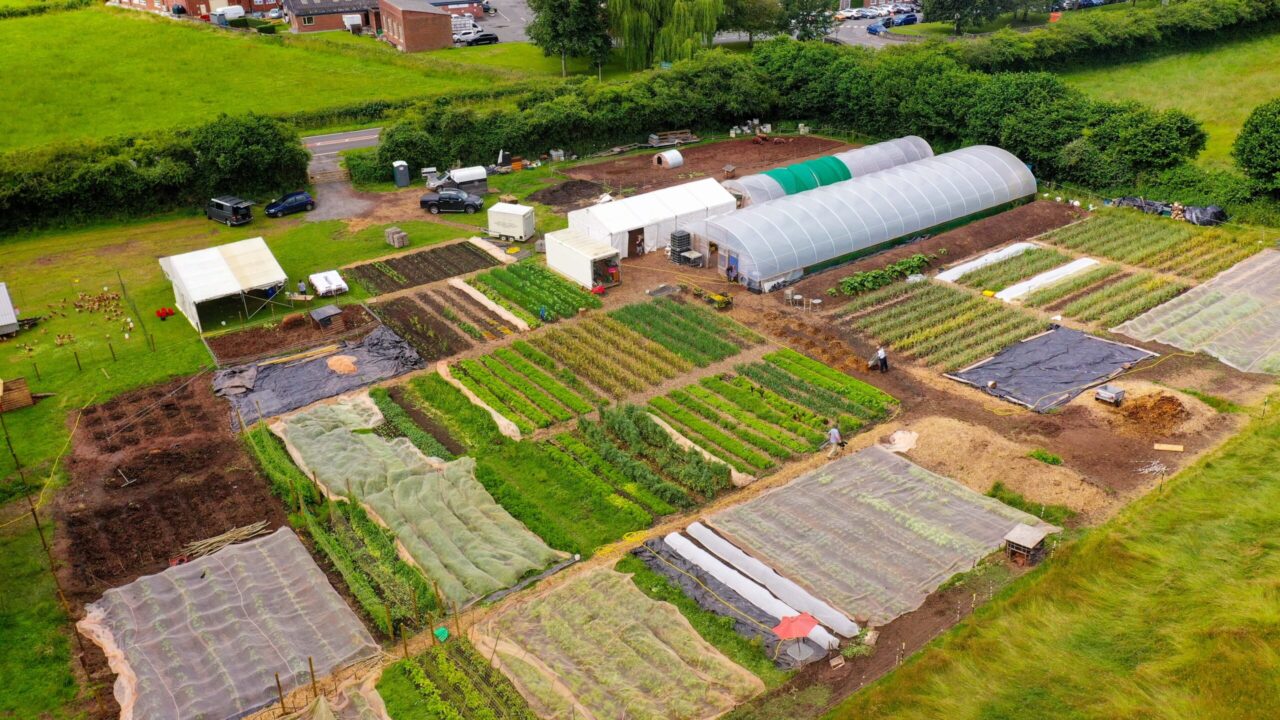
Expand community growing: allotments, community gardens / farms / orchards. According to RHS, one in five people in UK wants to participate in community growing.
In rural areas, protect and use publicly owned farmland for growing food for local markets.
Enable community groups to grow food on unused public or common land.
Develop planning regulations that support the creation of new affordable farms with homes.
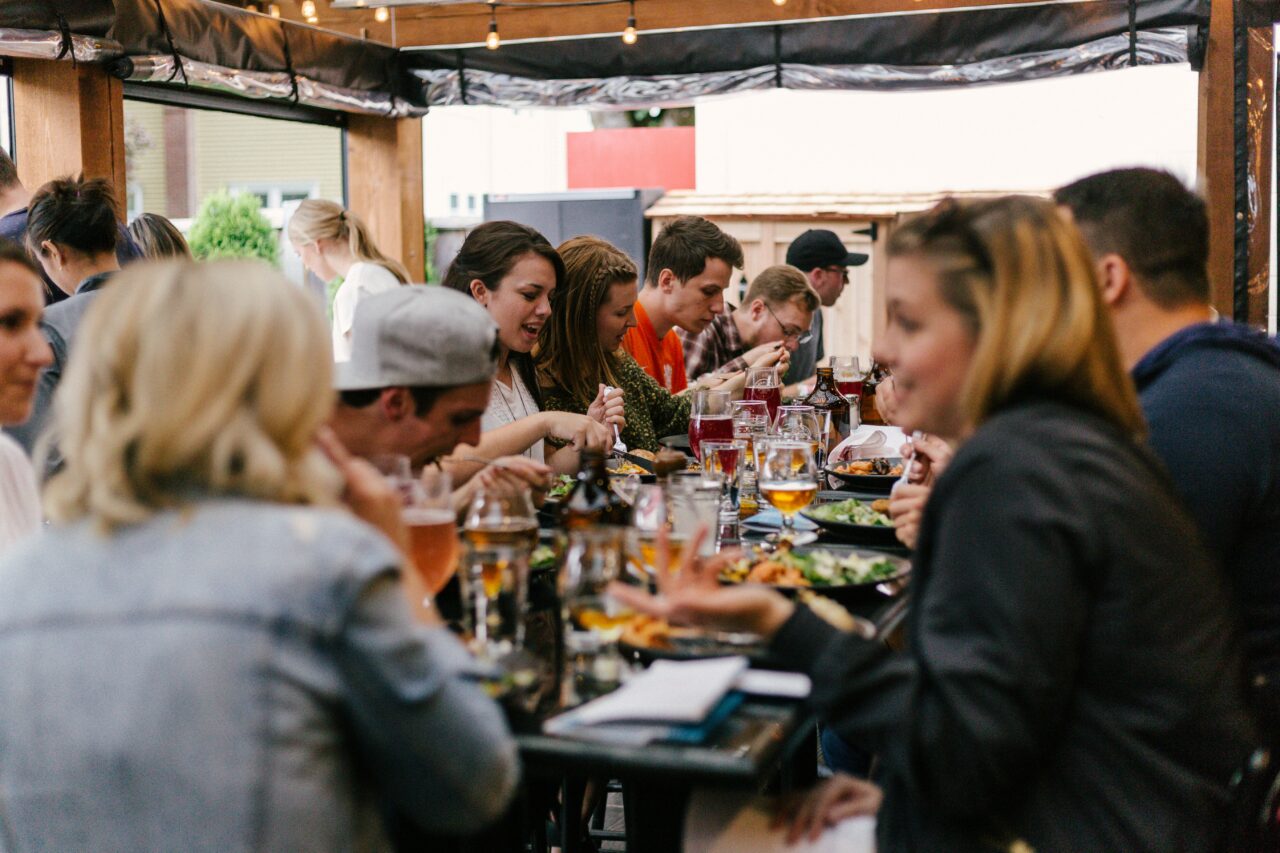
Rebuilding basic cooking skills is a vital investment in future food security. There is much experience of doing this well.
Cegin y Bobol: chefs teaching children to cook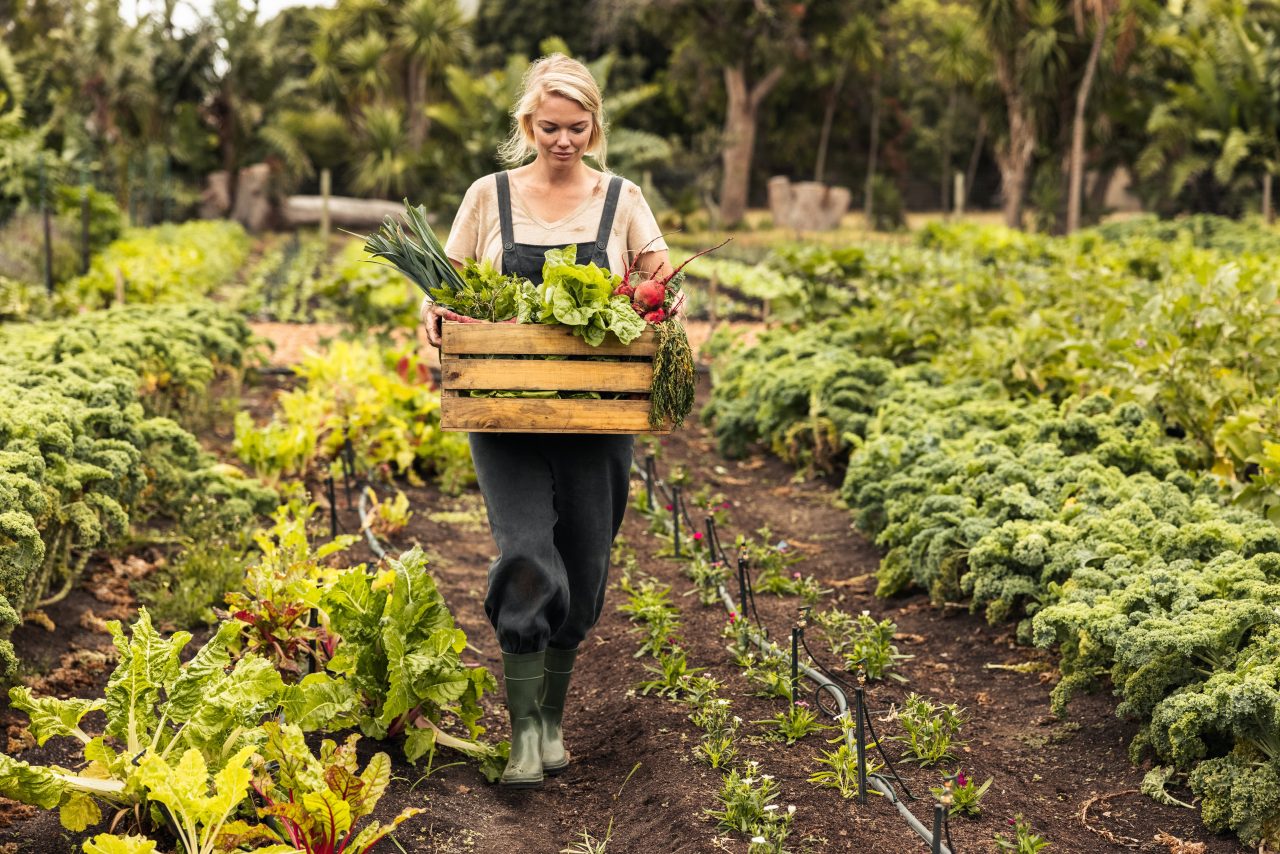
Provide people with advice on how to manage emergencies, including what food to stock if the household has space and the money to. The most quoted advice is that provided by the Swedish Government to every household in their country.
Develop regional plans for shocks: for example, stockpiling on behalf of those who cannot do it themselves, emergency distribution system, and mass catering.

Community food action is fundamental to building food security. Tim Lang emphasises the need for a "whole society approach".
Community food security: 7 actions
Join international alliances, such as ICLEI, MUFFP and C-40.
Learn from existing experience, such as in Birmingham, Bristol, London and Yorkshire, and in Liège in Belgium.
Together with other local authorities, inform government of the need for national policy and legislative change.