

Our food supply seems solid – lots of supermarkets full of food all the time (nearly). It would be easy to imagine that we’ve never had it so good, and there’s nothing we need to do other than make trips to the supermarket, buy food there and eat it.
But many of us are already sensing things are not right. Food is getting more and more expensive – particularly healthy foods. Food price inflation in 2025 was 4.2%, and this year is expected to climb to 10% because of the attack on Iran. (That would double the price in 8 years.) In January 2025, one in seven UK households struggled to afford food, according to the Food Foundation’s food insecurity tracker.
On top of this, there are major threats that could upset our food supply very suddenly, and they are all already happening – wars, computer hacks and extreme climate events in places our food is grown. We import 84% of our fruit and 50% of our vegetables. All of it is grown in climate vulnerable zones.
Our supermarket system is extremely centralised. 131 food distribution centres feed nine supermarkets that provide 94.5% of the food we eat. In an age of drone warfare and cyber warfare, this is an Achilles heel. It is also built for efficiency – the only food stored in UK is on lorries. In a major food shock, there is no slack in this system. The shelves will just empty like they did during Covid.
Professor Tim Lang then makes a radical and unexpected statement: that a key to becoming food resilient is what communities do.
These actions based on the huge analysis undertaken by Professor Tim Lang, which is summarised on this website.
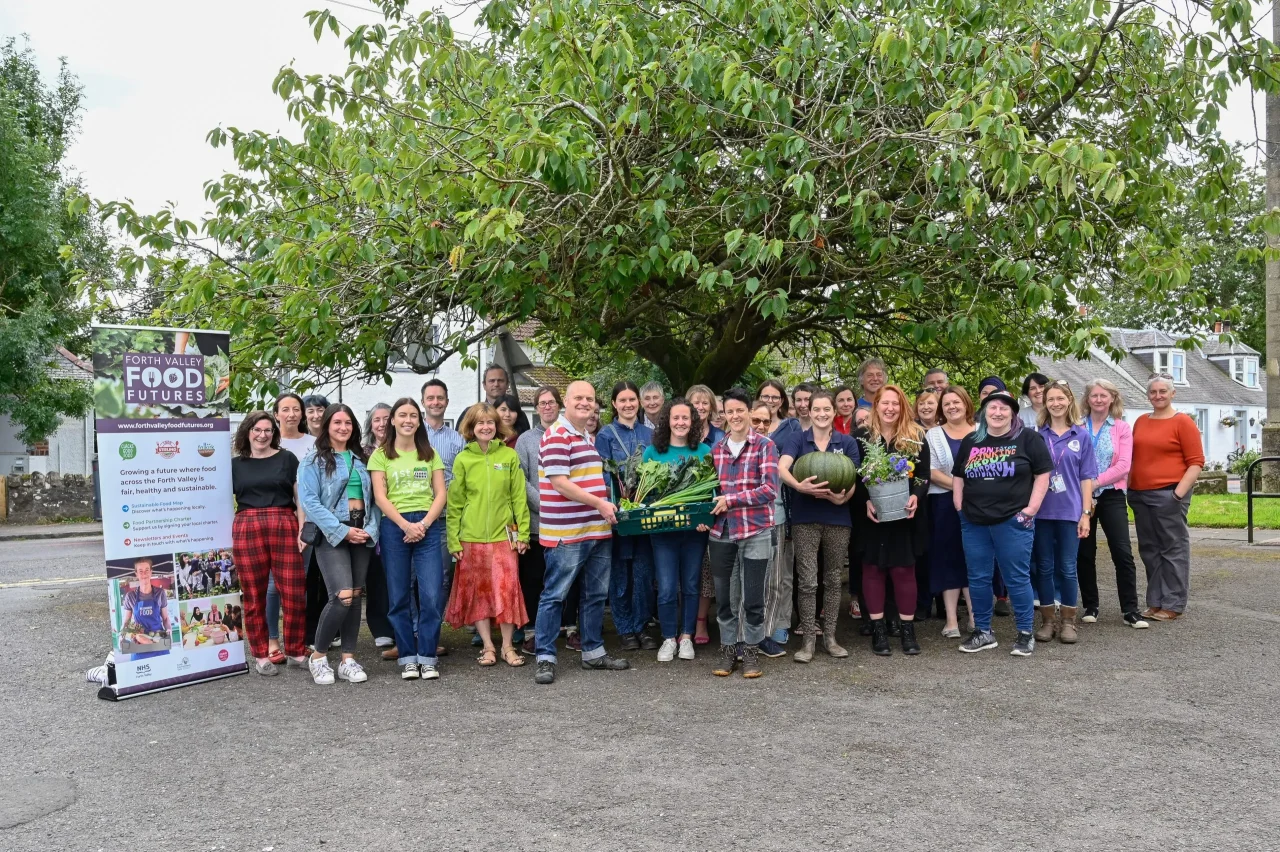
An action group can make sure things happen and make sure every household in the community knows about the action and can get involved. By connecting with a local food partnership, these groups can plug into a vast network of experience of community food.
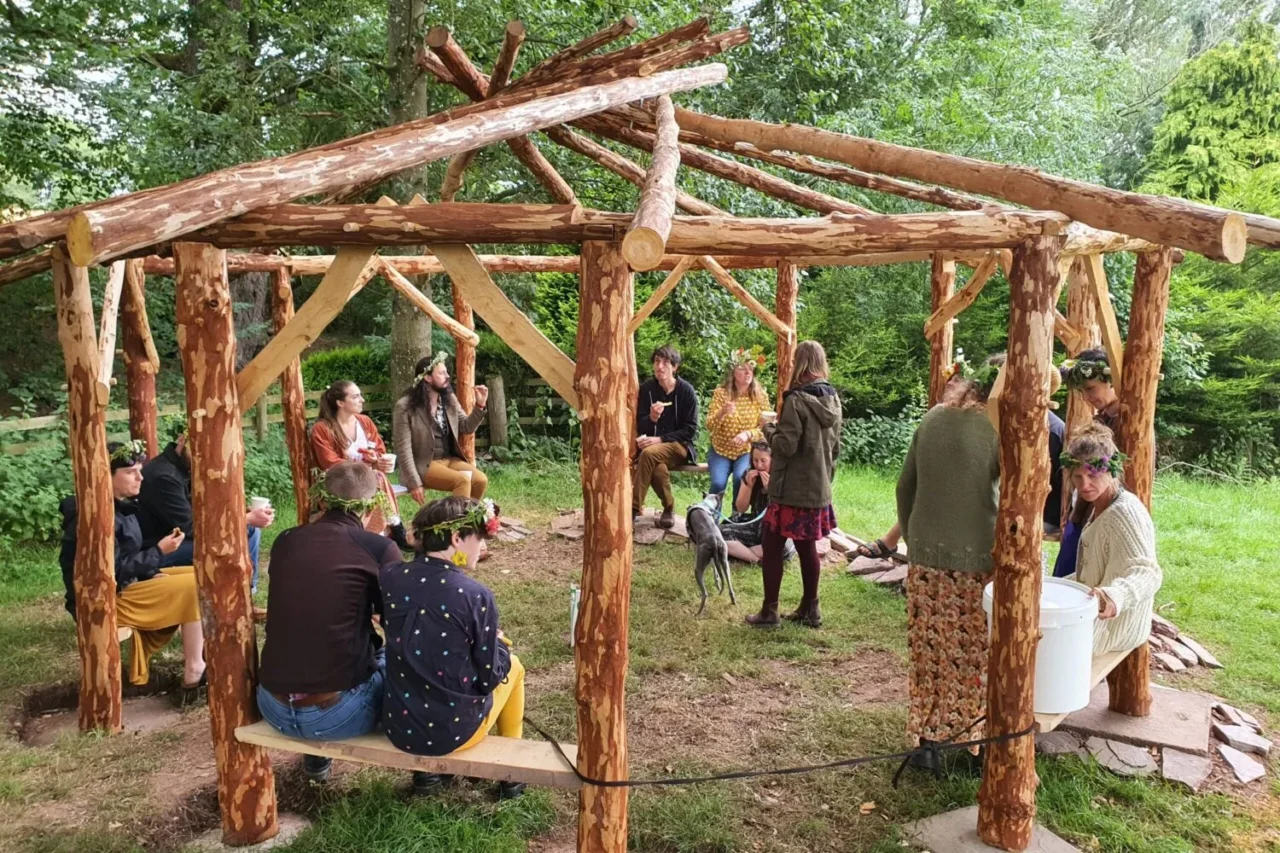
Many communities already have communal growing, but this needs to be expanded so that a lot of essential everyday food - fruit and vegetables in particular - is grown in a small place and is available in particular to families who cannot afford fresh food in the supermarkets.
There are lots of ways that communities do this - community gardens/farms/orchards, garden sharing, communal fruit harvesting, using temporarily unused land, sharing gardens.
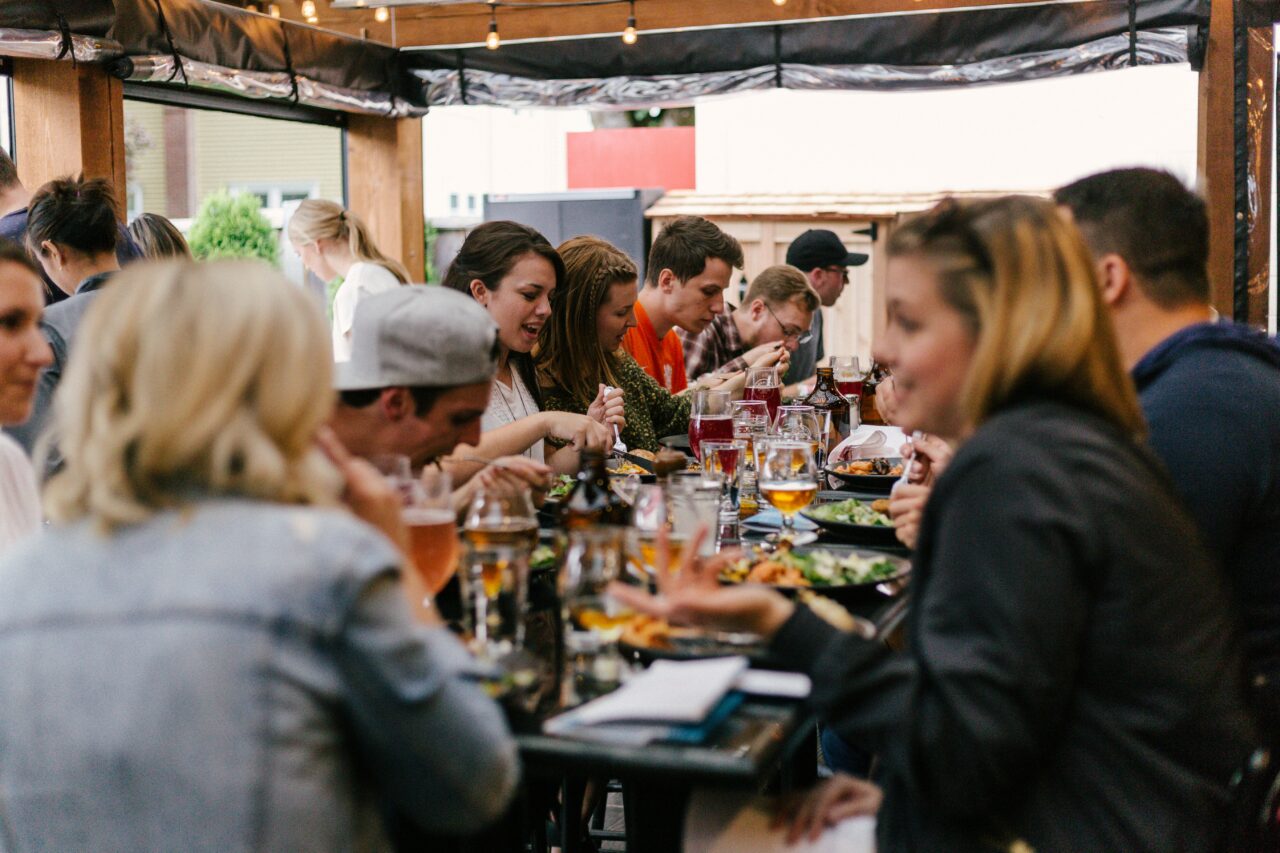
According to the World Happiness Report 2025, communal eating is a key source of happiness everywhere in the world!
In addition to being great fun, this is an important investment for difficult times, when eating together is a more efficient way to get access to good food.
Producing ready meals for households is another way of reducing the cost of great food.
Developing the infrastructure for communal eating - cooking facilities, mobilising local cooks - creates a vital asset for future food shocks.
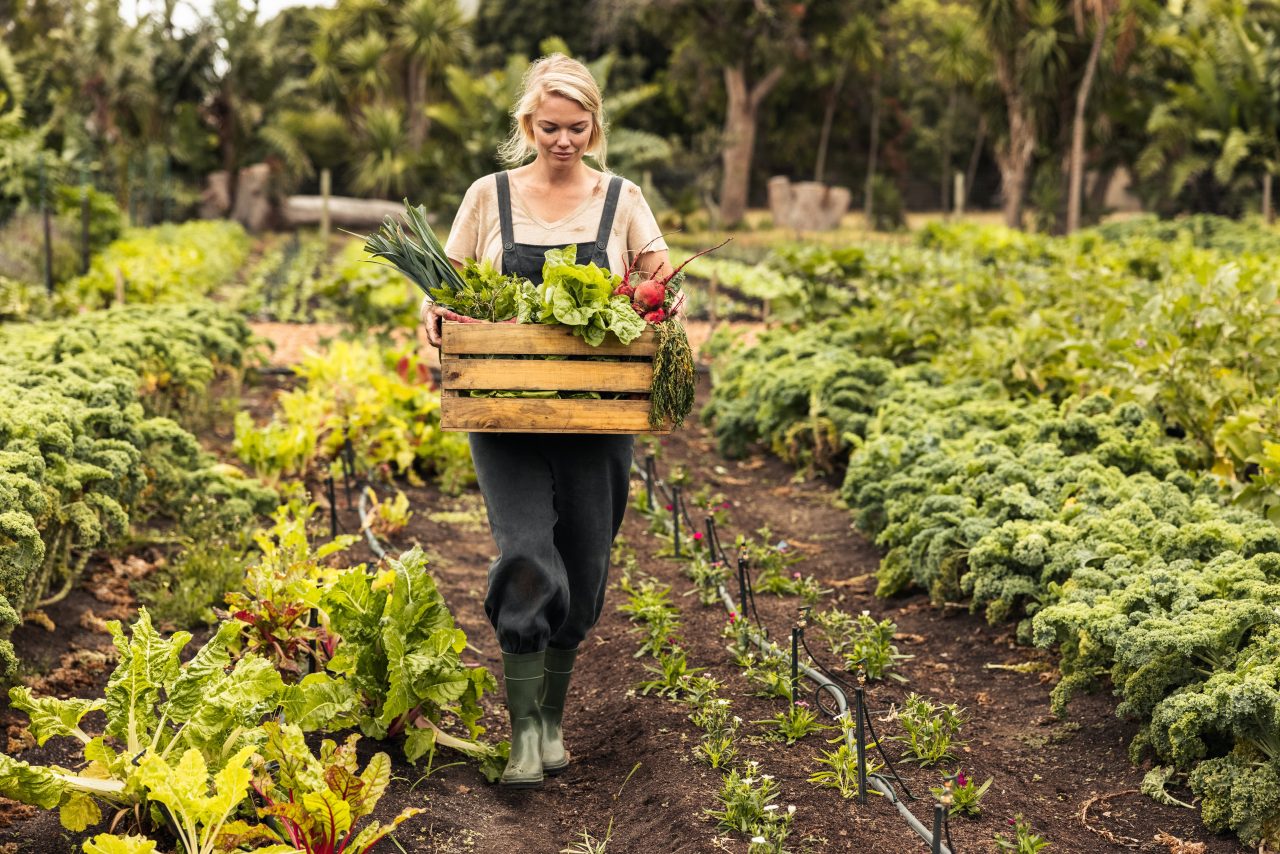
Every community has people who really know how to grow vegetables. (It's hard!) They can teach others and supervise community growing. According to RHS, one in five people want to get involved in community food growing!
All our communities used to have lots of people who could grow vegetables. Now communities need to rebuild this.
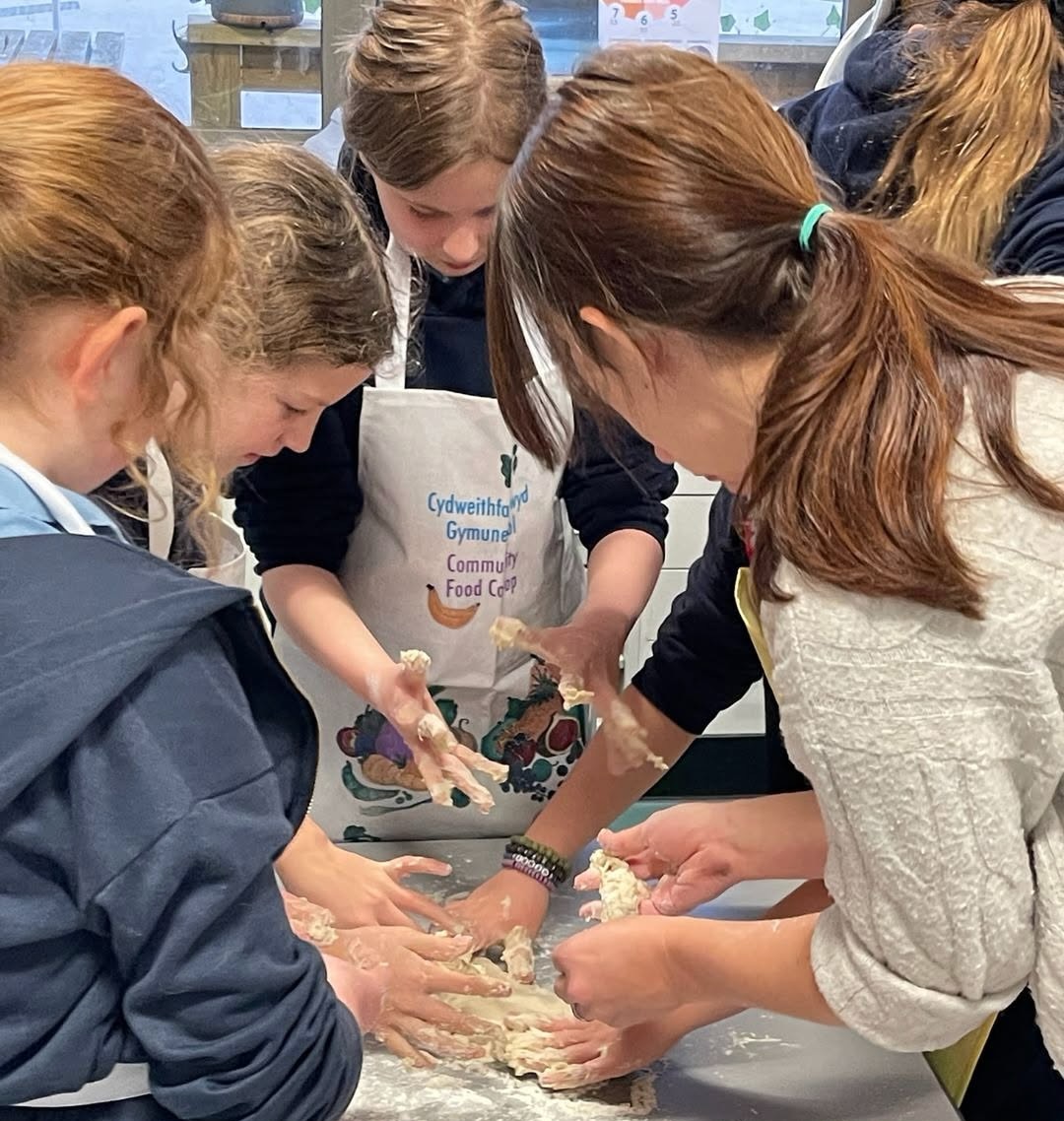
Many of us have lost the skills to prepare a cheap meal from raw ingredients. Teaching children and parents together is a great way to make it an enjoyable family experience.

Other European countries provide advice to every household about simple precautions, such as keeping a basic supply of food and water.
The most quoted advice is from Sweden - every household gets a printed booklet, In case of Crisis or War, with advice on food and other things.

Community stockpiles are a wise precaution. Not every household has space or the money to build stockpiles and a community approach is much more efficient and fairer.
Local services, such as food banks, could provide valuable experience and space.