
Here we propose a “mission-based” approach, based on the work of Professor Tim Lang, as presented on this website, and the work of Mariana Mazzucato (Mission Economy, 2020).
A mission approach means national and regional Governments, businesses and civil society organisations working in partnership – sharing risk and crowding in resources – in pursuit of specific, popular and time-bound outcomes.
| A. An adequate, diverse, safe food supply | B. A resilient society that can pull together |
|---|---|
|
We need a large increase in UK food growing for regional and local markets. 95% of our food comes from nine supermarkets. We also need many more types of food. Today, we mainly eat only 12 plants and five animals. |
We need action to ensure food is available during emergencies – communities, regions, nations. We need a ‘whole society’ approach. We need to protect the most vulnerable families. |
The foundation of change is access to new markets. These five missions create five new markets.

Public authorities (e.g. schools, hospital local authorities) and accommodation providers (e.g. housing associations, old people’s homes) will source at least 50% of fresh produce from local and regional farms.

Five Welsh cities will have a local food hub with food from the surrounding rural area.

There will be local veg shops and markets in 50 towns.

50% of hospitality providers will promote locally grown produce.
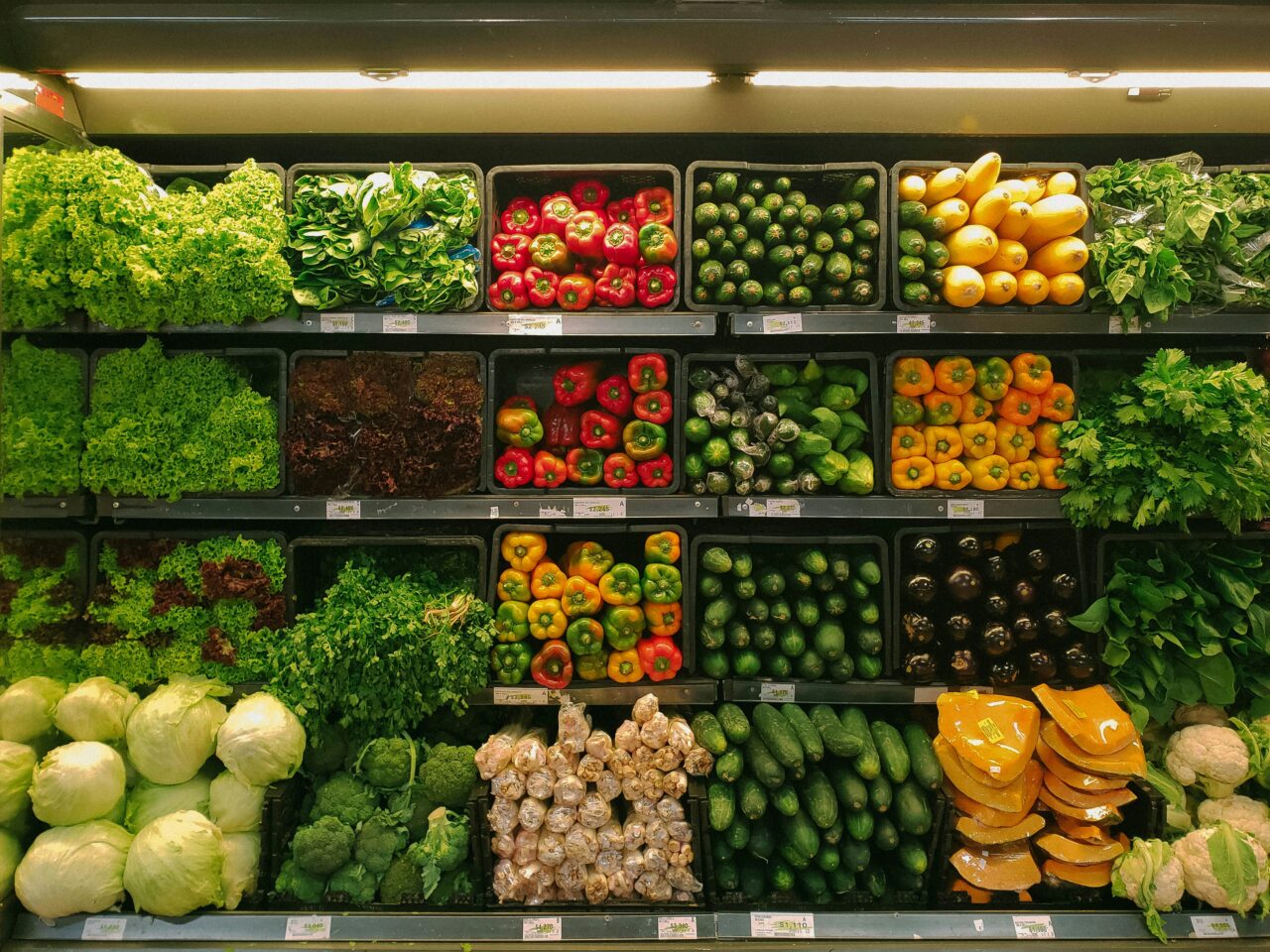
There will be locally grown produce in 50% of supermarkets, bought from local farmers at a reasonable price.
City plans to stimulate demand for locally grown food (public, retail, hospitality), with implementation schedules.
Specialist food supply chains, such as ready meals, into housing associations with focus on reduced cost and subsidy to achieve affordability.
Diverse, new and shorter supply chains connecting rural and urban areas, with more value accruing to farmers through cooperative organisation or not-for-profit wholesalers.
New infrastructure, for example, storage, processing, freezing.
Technical support & financial incentives for farmers for diversification into growing fresh produce for local and regional markets.
Affordable farms with homes for a new generation of farmers. New policies for social housing & planning.
Integration of food security, local food growing and community resilience into local authority plans for economic and social development.
Courses on agroecological growing of food crops at further/higher education colleges.
Affordable training and work experience on farms for agroecological growing.
Welsh Government led plan for climate resilient farming: flood/drought infrastructure, new crops for a changing climate, shifting growing to new ground.
UK-wide advocacy by Welsh food growing community to make domestic food supply a key element of national security infrastructure.
Speedy and efficient response to every other issue that arises in pursuit of these missions.

Every community will know what to do in a food emergency and community leaders will have support systems to act quickly and support the worst affected.
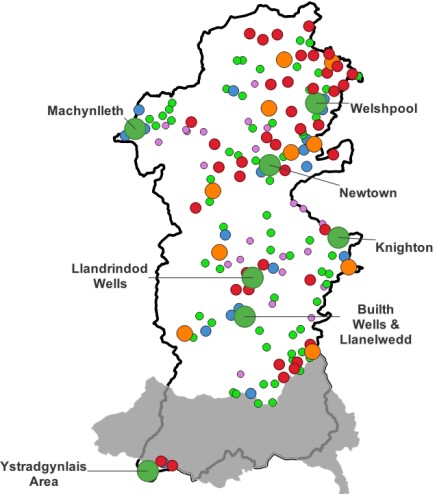
Every local authority area will know what to do in a food emergency. Public bodies, businesses and civil society organisations will be ready to act together. Stocks of food will exist to ensure no household runs short of the most vital items.

Every household will receive high-quality advice on how to prepare for food emergencies.

Welsh Government will ready to act in a food crisis and will have a system of food stocks.

Every community will have a nearby farm or community project growing food for the locality and offering teaching about how to grow vegetables.
Audits of community food assets in every community and across every local authority area.
Local authorities, public health officers, other statutory bodies, businesses and civil society working together in every region to develop plans for food shocks and steep food inflation.
Food partnerships working face-to-face with communities to support planning for food shocks, on basis of advice produced by Welsh Government.
Welsh Government national food emergency plan, including stocks of essential foods.
Policies to secure community access to land.
Planning rules to enable community growing projects.
Farmers and colleges teaching members of the community how to grow vegetables.
Speedy and efficient response to every other issue that arises in pursuit of these missions.