

Our food supply seems solid – lots of supermarkets full of food all the time (nearly). It would be easy to imagine that we’ve never had it so good, and there’s nothing we need to do other than make trips to the supermarket, buy food there and eat it.
But many of us are already sensing things are not right. Food is getting more and more expensive – particularly healthy foods. Food price inflation in 2025 was 4.2%, and this year is expected to climb to 10% because of the attack on Iran. (That would double the price in 8 years.) In January 2025, one in seven UK households struggled to afford food, according to the Food Foundation’s food insecurity tracker.
On top of this, there are major threats that could upset our food supply very suddenly, and they are all already happening – wars, computer hacks and extreme climate events in places our food is grown. We import 84% of our fruit and 50% of our vegetables. All of it is grown in climate vulnerable zones.
Our supermarket system is extremely centralised. 131 food distribution centres feed nine supermarkets that provide 94.5% of the food we eat. In an age of drone warfare and cyber warfare, this is an Achilles heel. It is also built for efficiency – the only food stored in UK is on lorries. In a major food shock, there is no slack in this system. The shelves will just empty like they did during Covid.
Professor Tim Lang then makes a radical and unexpected statement: that a key to becoming food resilient is what communities do.
These actions based on the huge analysis undertaken by Professor Tim Lang, which is summarised on this website.

Have a household food store if this is practicable and affordable. Prioritise foods that are non-perishable, require little water to cook, can be prepared quickly, or can be eaten without cooking.
Don't rely on the freezer or fridge, in case there is no electricity.
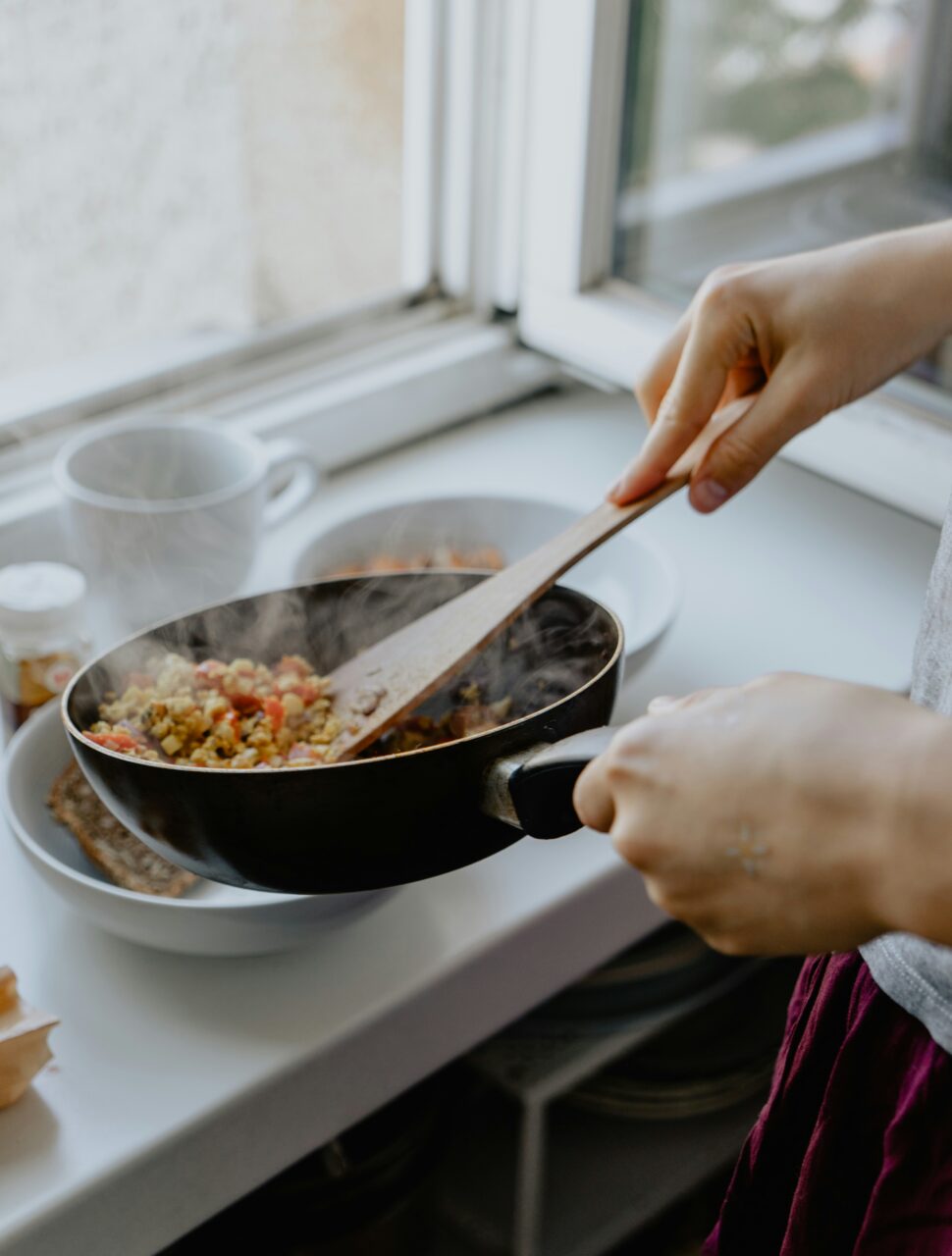
Be able to make nutritious meals from basic, dried or canned ingredients.
Be prepared to prepare food without electricity, for example, get a camping gas stove.

If you have any space, use it to grow some vegetables.
If available, get access to community growing space, such as an allotment or community garden.
Learn growing skills from local experts, or teach these skills if you are a local expert.

Don't depend exclusively on supermarkets.
Have a variety of places to buy food from.

Participate in community food growing projects, local food organisations, allotment campaigns and other local food action.